What Is RSD? Rejection Sensitive Dysphoria and ADHD Explained
By Dr. Addie Segal, OTD, OTR/L·Published June 10, 2026
RSD feels like emotional pain turned up loud, and it is a common part of many ADHD experiences.
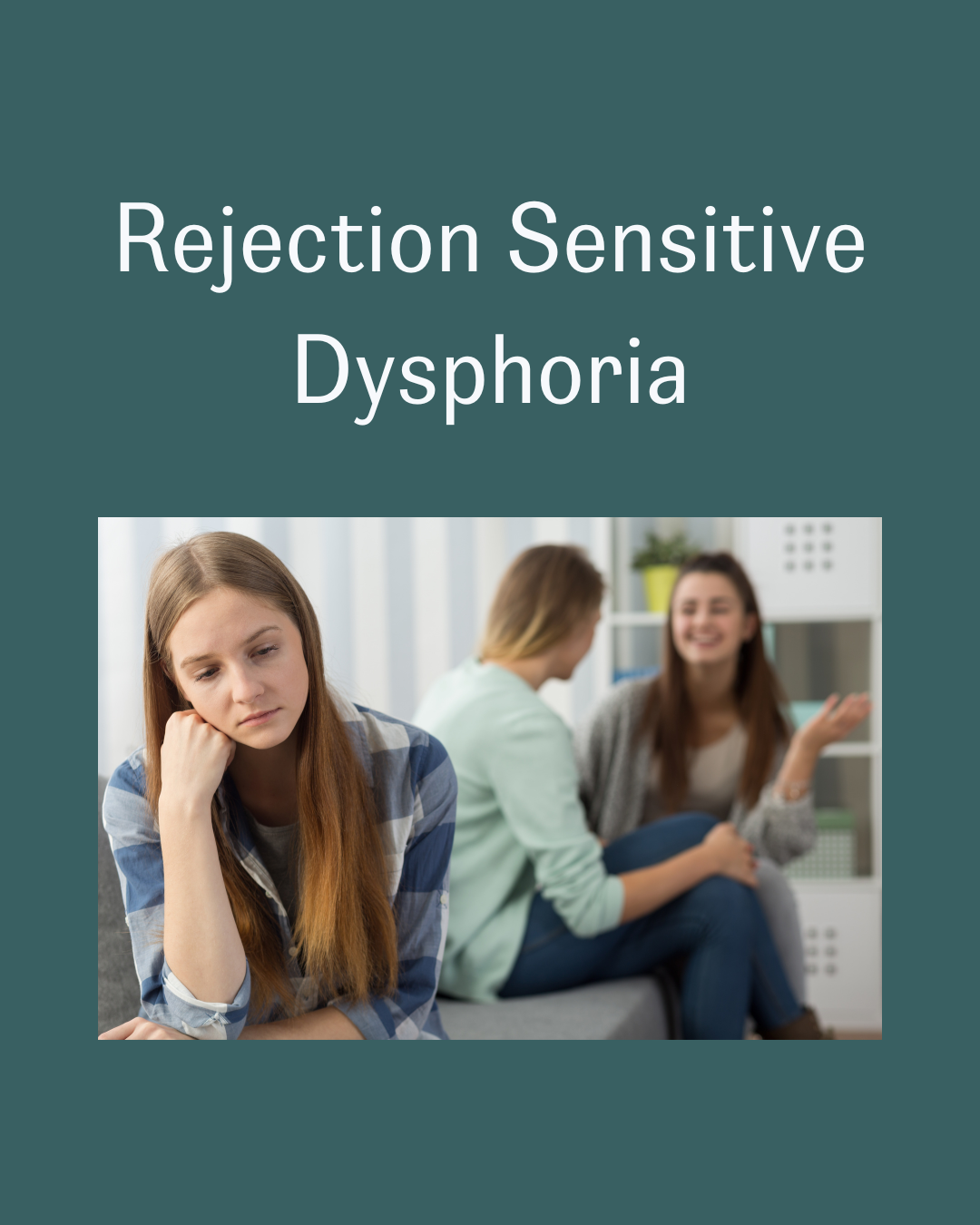
Rejection Sensitive Dysphoria (RSD) is a painful emotional response that often comes with ADHD, especially when you've felt misunderstood for a long time.
It might show up as intense hurt from a small comment, or as replaying a conversation all night. Your brain is wired to care deeply about connection and belonging.
See how CogFun occupational therapy addresses emotional dysregulation as part of ADHD care.
What RSD Is
RSD is an extreme emotional reaction to perceived rejection, criticism, or failure. The feelings can be overwhelming and disproportionate to the situation, which makes it hard to respond calmly.
This is closely related to ADHD and Mood Swings, where emotional dysregulation is explained in more detail.
Why It Happens With ADHD
ADHD traits like emotional dysregulation and low self-esteem can amplify RSD. If you've spent years trying to hide your difficulties, the emotional hits feel especially sharp.
How It Shows Up
RSD can make relationships messy. You might overreact to a tone in a text, feel abandoned by someone who is busy, or replay feedback as a personal failure. RSD is also especially common in women who have spent years masking. See ADHD symptoms in adult women for how these patterns connect.
What Helps
The helpful work is about learning to recognize RSD, pause before reacting, and build strategies that keep your relationships and your self-worth steadier.
RSD making everyday moments harder?
Book a free 15-minute consultation to talk about how ADHD-focused occupational therapy can help you manage emotional dysregulation.
Book a free 15-minute consultation
Dr. Addie Segal, OTD, OTR/L. Doctor of Occupational Therapy (Boston University). Licensed occupational therapist in New Jersey and New York. Nine years of clinical practice. Adjunct faculty at Kean University. Trained and mentored by the developer of the CogFun protocol, and leading its implementation for adults in the US.
This post is for informational purposes and is not a substitute for individualized clinical assessment.